https://www.heartslandingranch.com/
8902 Quail Lane
GRANITE BAY, CA 95746
Mailing Address:
8902 Quail Lane
GRANITE BAY, CA 95746
Phone: 279-529-8279
MAKE AN INQUIRY
View our WEBSITE
EIN: 47-4825801Founded: 2015
Profile Last Updated August 11, 2026
Public Charity
MISSION & PROGRAMS
Mission:Hearts Landing Ranch exists to build a community to provide hope for hurting individuals and families. We are turning Trauma into Triumph and Restoring Lives through Rescued Horses.
Our organization conducts Equine Assisted Services in accordance with the EQUUS Foundation Guidelines on Qualifications of Organizations Conducting Equine Assisted Services (EAS).
Our organization provides outreach and/or public education programs involving horses.
100% of our total programs and services are equine-related.
The programs our organization conducts involve the direct use, care, and/or shelter of equines to fulfill our mission.
Our organization DOES NOT CURRENTLY use satellite, suport, overflow, foster, and/or outreach facilities.
EQUINE WELFARE OVERVIEW: Please describe what steps your organization takes to ensure that:
1) all interactions between your equines and people are mutually beneficial and conducted in accordance with the Guidelines for Human-Equine Interactions stated below;
2) all equines in the care of our organization and/or equines that participate in the organization's program have access to clean drinking water at all times; nutritious food in sufficient quantity, including natural forage such as pasture grass and/or hay; appropriate veterinary, farrier, and dental care; shelter and protection from the weather; sufficient safe space to move around comfortably on a daily basis; and daily opportunity to freely interact and have contact with other equines:
1) HLR aims to ensure all interactions between our equines and people are mutually beneficial. We achieve this through extensive training, both for in-session client interactions as well as for our volunteers and staff.
Prior to volunteering with our horses, we require an application and the completion of online training including knowledge retainment quizzes. Once completed we have a process that includes additional in-person training, and assessment of attention to detail, awareness, and safety prior to ever working near or with the horses. Volunteers are then supervised and coached as they begin working with the horses. Staff most often come from the best of the best of our volunteer pool.
We conduct sessions with EAGALA certified specialists. The EAGALA model integrates horse choice in several key ways. Because the therapy is 100% ground based- with no riding or enforced leading- the horses are treated as equal, active partners rather than tools. They are allowed to express themselves freely, offering honest, real-time feedback to clients. An Equine Specialist is always in sessions to observe horse behavior and manage equine welfare during sessions.
2) All equines in the care of the Hearts Landing Ranch have access to clean drinking water throughout the day. All stalls have water filled multiple times per day, and checked daily for cleanliness. The outdoor turnout/session areas have water access. The arena has a large stock tank with auto-fill that is monitored throughout the day to ensure it is operating properly.
The horses have nutritious food in sufficient quantity in the form of hay that we have tested and sent to a nutritionist, who creates a custom supplement recipe, which we get made for us through Horse Tech, so that they have a balanced diet. Feeding amounts are adjusted as needed to keep each horse at a healthy weight.
The vet comes out twice a year minimally for seasonal check/shots, and as needed in the event of injury or illness. The farrier comes to trim feet every 6 weeks to keep hooves well maintained and healthy. Teeth are checked yearly and floated as recommended by the veterinarian.
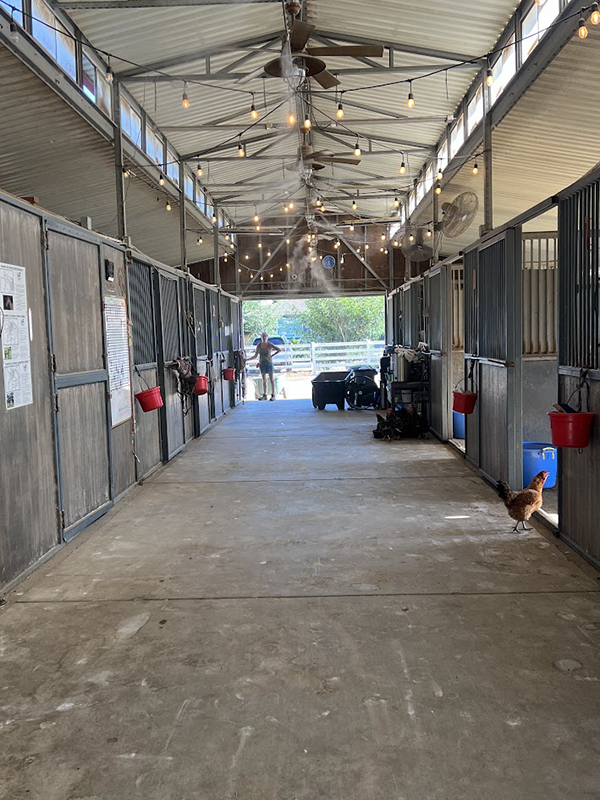
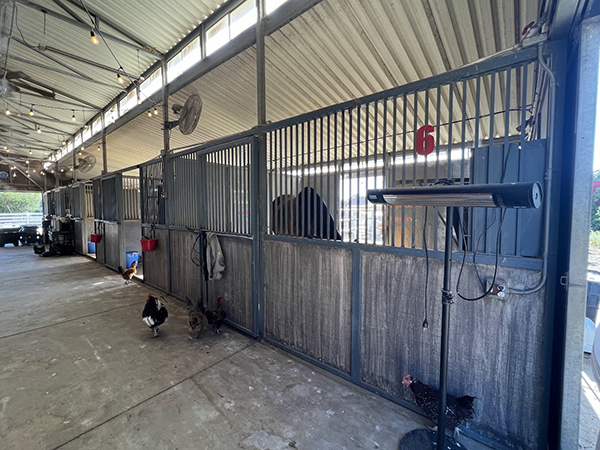
HLR has enough stalls for all horses to be inside if needed (and fans and a misting system for summer, and sheets and blankets for winter) but believe that time to move and be in a herd is important for their mental and physical wellbeing, so all horses are turned out every day, and spend every other night outside with their herd, unless in the rare case that the weather inhibits it.
Equine Assisted Services (EAS) Overview:
Overview of our programs involved with providing EAS to individuals with special needs:
Hearts Landing Ranch provides the following services:
Equine-Assisted Mentoring for youth. This involves building life skills while working alongside mentor and the horses, involving farm chores and horse care. Typical age range is 9-18. No specific disability is served or needed to apply. This may be a good choice for youth to help improve social interactions, attention to detail, work ethic, or self-esteem, and are not in current mental health crisis.
Equine-Assisted Learning involves working on an individual or company's goals through interactions with the horse, under the guidance of a certified horse specialist. These services are intended for individuals not in need of mental health care, typically 12yrs old or up. Or groups/companies focusing on team building, or retreats/self-care/fun and not on mental health needs.
Equine-Assisted Psychotherapy is focused on mental health. It involves a team of certified Equine Specialist and Mental Health Specialist working with the client and horses. Individual and Group sessions are offered. Groups may be created by individual clients or come from vet centers, residential and recovery homes and other community organizations.
Our clients are most often those with unseen disability. PTSD, Depression, Anxiety, low self-worth, moral injury, trust issues, and trauma to name a few. We serve individuals 9 and up, including veterans, active-duty military, first-responders, foster or adopted youth, aged-out foster, victims of crime, trafficked and unhoused individuals.
Equine Assisted Services (EAS) and Providers:
Our organization provides the following Equine Assisted Services (EAS):
Psychotherapy/Counseling
Equine-assisted Learning in Personal Development
Equine-assisted Learning in Organizations
3: Total number of Equine Assisted Service Providers at Hearts Landing Ranch
1 Jamie Perell
FACILITY PARTICIPATION:
Hearts Landing Ranch
RELATIONSHIP: Independent Contractor
SERVICES PROVIDED:
Psychotherapy/Counseling
Equine-assisted Learning in Personal Development
Equine-assisted Learning in Organizations
DEGREES, LICENSES AND/OR CERTIFICATIONS
LMFT License: #104396
Insurance Policy #:AR156684
EAGALA Certified MH (and Military Designated) through Sept 13, 2026
2 Robyn Masters
FACILITY PARTICIPATION:
Hearts Landing Ranch
RELATIONSHIP: Independent Contractor
SERVICES PROVIDED:
Psychotherapy/Counseling
Equine-assisted Learning in Personal Development
Equine-assisted Learning in Organizations
DEGREES, LICENSES AND/OR CERTIFICATIONS
Psychologist License: PSY 35447
CPH Insurance: Policy #: AR395668
EAGALA certified MH through Sept 29, 2026
3 Sierra Tsygankov
FACILITY PARTICIPATION:
Hearts Landing Ranch
RELATIONSHIP: Independent Contractor
SERVICES PROVIDED:
Psychotherapy/Counseling
Equine-assisted Learning in Personal Development
Equine-assisted Learning in Organizations
DEGREES, LICENSES AND/OR CERTIFICATIONS
Eagala Certified MH through Jun 09, 2028
AMFT# 162881
APCC #22444
CPH Insurance Policy #AR481807
Outreach and/or Public Education:
Hearts Landing Ranch puts on several outreach or public educational events each year including:
Fundraising Events: While the event(s) vary year to year, there is always a focal point of sharing how horses enhance people's lives, the success of our programs, and some level of interaction with the horses, including sharing our horses' successes (how they too have been rehabilitated) and testimonials from past clients. There often is an element of sharing with the community how much time and cost is associated with horse care.
VIP Tours: Sometimes open to the community, sometimes specialized for groups, these typically usually involve an "Experience" with the horses as well as hearing success stories and learning about the programs offered at the farm.
Meet and Greets: Similar to VIP tours in that some may be open to the public or may be geared toward a particular group. Different in that there isn't an "experience" or activity with the horses, but still the ability to learn about our programs, successes and get to meet the horses themselves.
Research/Medical Use of Equines:
Our organization has never made, and would not ever consider making, equines available for research studies or medical training that involves invasive procedures and/or that which may cause pain or suffering to the equine.
Religious Affiliation:
Our organization does not promote religious education, religious purposes, or a specific religious faith or use donations for religious education or religious purposes; require participants to be of a certain faith; require participation in religious, instruction, activities or services; or require participation in prayer, worship, religious instruction or other religious activities as a condition of receiving social or secular services offered.
Auction Donation:
Our organization has never allowed, or would not consider allowing, an equine to be sold, transferred, released, or otherwise placed into possession of any person or organization that would cause or allow the equine to be sold at auction for slaughter.
POLICIES: INTAKE, ASSESSMENT & TRAINING
Prior to a horse being accepted and/or arriving at the facility, the organization has the following policies in place:If health records are not available or are out-of-date, the veterinarian will administer appropriate vaccinations
A health certificate signed by a veterinarian and dated no more than seven days prior to arrival is provided to our organization either prior to or upon arrival of the equine attesting to the health status of the equine
The owner completes an application/contract which constitutes the agreement between the owner and our organization when the equine is acquired from the equine's owner other than by seizure or by abandonment
Upon intake, the organization has the following quarantine policy in place:
The equine is confined to a designated and separate area for isolation and quarantine at the facility for a prescribed period of time
The equine is confined to a designated and separate area for isolation and quarantine off-site for a prescribed period of time
The equine is not quarantined
The typical length of quarantine is: 10 to 20 days
Following arrival of the equine at the facility, the following is performed:
A physical examination to include temperature, pulse and respiration is conducted by a trained staff member
A Henneke Body Conditioning Score or other body conditioning score is assigned by a trained staff member following arrival
An examination of hoof health is conducted by a farrier
An examination of dental health is conducted by a dentist or veterinarian
A physical examination to include temperature, pulse and respiration is conducted by the veterinarian
A Henneke Body Conditioning Score or other body conditioning score is assigned by a veterinarian
Photographs are taken of each equine following arrival at the facility and kept with the equine's health records
The equine is microchipped if the organization has the authority to microchip the equine and the equine has not been microchipped
Our organization has the following policies and procedures in place pertaining to the ongoing assessment of horses in its care:
A physical examination is conducted by the veterinarian at least annually
The Henneke Body Condition score or other body conditioning score is updated at least annually by a trained staff member
Vaccinations are administered by the veterinarian at least annually, or with the veterinarian's approval, vaccinations are administered by a trained staff member at least annually
Equines at our facility may be treated by an:
Equine massage therapist
Equine nutritionist
The Henneke Body Condition score or other body conditioning score is updated at least annually by the veterinarian
Photographs are taken of each equine monthly and kept with the equine's health records
Photographs are taken of each equine annually and kept with the equine's health records
Equines at our facility may be treated by: Equine chiropractor
Equines at our facility may be treated by: Equine acupuncturist
The organization has a procedure in place to assess equines for the following skills and behaviors:
Retrieval from a pasture/paddock
Leading with a halter and lead rope
Temperament, disposition and attitude, such as rated from very calm to very high spirited
Saddling
Bridling
Lunging
Tolerance to unusual objects and loud noises
Known vices, i.e., cribbing, biting, kicking, weaving, stall walking, etc
Grooming
Bathing
Clipping
Tolerance to multiple handlers at the same time
Loading onto and unloading off a trailer
Mounting and dismounting
Riding at the walk
Riding at the trot
Riding at the canter
Riding by a beginner and/or unbalanced rider
Jumping
Driving (Pulling a carriage)
Our organization has the following policies and procedures in place pertaining to the weight-carrying or workload capabilities of any horse/equine that is ridden in our care, including training:
Our organization evaluates the weight-carrying and workload limitations for each equine that is ridden at least annually and maintains a written record for each equine that is ridden that documents the results of each evaluation of the equine's weight-carrying and workload limitations
Our organization does not evaluate the weight-carrying and workload limitations for each equine that is ridden
No equines are ridden; not applicable
The following variables are considered in determining the weight-carrying and workload limitations for each equine that is ridden:
Equine age, weight, breed, body condition, fitness, balance, health and soundness
Participant weight, height, body proportions, balance, fitness and riding skills as well as behavioral issues and safety concerns
Weight and proper fit of the saddle and other equipment
Duration and frequency of working sessions, as the frequency with which an equine is subjected to maximum weight carrying and/or workload
Temperature and/or weather conditions
Seasonal impact on the equines' workload and weight-carrying capabilities and limitations
Equine conformation to include the top line, length of back, strength and width of loin, bone density (measured by the circumference of the cannon bone just below the knee)
Size, shape, condition and angle of the hooves
Terrain and footing in the working environment
Nature and pace of work, repetitive or varied, radius of turns, degree of incline and regularity of footing when equine is subject to maximum weight-carrying capacity
Our organization does not evaluate the weight-carrying and workload limitations for each equine that is ridden
No equines are ridden; not applicable
Horses provided formal training (groundwork or riding): As needed; no set schedule
Additional information about our assessment & training policies and practices:
Riding is not part of any of our sessions, however, horses are ridden for physical exercise and diversity for those in our herd that are physically able to be ridden.
POLICIES: BREEDING
The organization has the following policies related to breeding and stallions:Our organization does not conduct breeding of equines owned or under the care of our organization.
The main facility where our organization conducts its programs does NOT breed equines.
One or more of the facilities where our organization conducts its programs, including support facilities, breeds equines
One or more of the facilities where our organization conducts its programs, including support facilities, are permitted to house stallions
POLICIES: EUTHANASIA
The organization has the following policies related to euthanasia:Our organization will never have an equine euthanized for space
Our organization will have an equine euthanized upon the recommendation of the veterinarian if the equine is a threat to itself, other equines, or people
Our organization will have an equine euthanized upon the recommendation of the veterinarian after all reasonable treatment options have been explored
Disposal of the carcass is handled in accordance with local guidelines
Our organization will never have an equine euthanized under any circumstances
The following are authorized to administer the procedure for your organization in accordance with state laws:
Veterinarian
A certified euthanasia technician
Senior staff with appropriate training
Employee of animal control shelter or humane society with appropriate training
Veterinary student under the supervision of a licensed veterinarian
Not applicable. Our organization prohibits euthanasia under any circumstances
Additional information about our euthanasia policies and practices:
Euthanasia is not a common occurrence. We have only euthanized one horse in the last 10 yrs, when due to age, it was unable to get up or down comfortably or safely.
POLICIES: RE-HOMING
Re-homing Agreement not applicable.Our organization has the following re-homing (adoption/purchase) policies and procedures in place:
The organization does not re-home equines under any circumstances; our organization retains custody of our equines and ensures care of the equines for their lifetimes.
Our organization has the following policies and procedures related to horses that need to be retired, are no longer able to contribute to the mission of the organization, and/or are no longer manageable:
The organization does not re-home equines under any circumstances; our organization retains custody of our equines and ensures care of the equines for their lifetimes.
Equines may remain at our organization for their lifetimes
In the case an equine is unmanageable and demonstrates repeated dangerous behaviors, the equine may be euthanized upon the recommendation of the veterinarian
In the case an equine is unsound and/or unhealthy and cannot be treated to relieve suffering, the equine may be euthanized upon the recommendation of the veterinarian
Equines may be found suitable homes by our organization
Equines may be returned to their owners
Equines may be sent to auction
If a suitable home cannot be located within 12 months, the equine may be euthanized
The organization will accept financial responsibility for equines in the current care of the organization that need to be retired, are no longer able to contribute to the mission of the organization or if an equine may be returned to the organization if all alternatives have been explored to find the equine an appropriate placement and space is not available for the equine to remain at the organization.
EQUINE CARE & SHELTER/FACILITY INFORMATION
Our organization DOES NOT CURRENTLY use satellite, suport, overflow, foster, and/or outreach facilities.Total facilities at which our organization cares for and shelters horses used in our programs: 1
Hearts Landing Ranch
8902 Quail Lane GRANITE BAY CA 95746
Currently operational
Total number of horses/equines currently involved with your programs, under your care, and/or owned by your organization at this facility: 9
Total number of horses at this facility NOT INCLUDING those counted above: 0
Maximum capacity of horses at this facility: 9
Does your organization own, lease or use a part of this facility? Lease
Provide the contact information for the individual or organization responsible for investigating abuse in the county where the facility is located, including mailing address, email address, and phone information.
Placer County Animal Services 11232 B Avenue Auburn, CA 95603 Main: 530-886-5375 After Hours Emergencies: 530-886-5375
Does your organization conduct Equine Assisted Services (EAS) at this facility in accordance with the EQUUS Foundation Guidelines on Qualifications of Organizations Conducting Equine Assisted Services (EAS)? Yes
Total number of Equine Assisted Service Providers AT THIS FACILITY, including instructors, specialists, therapists, counselors, coaches and/or facilitators (full-time, part-time, volunteer, independent contractors, and/or providers accompanying clients) that conduct Equine Assisted Services (EAS) in accordance with the EQUUS Foundation Guidelines on Qualifications of Organizations Conducting Equine Assisted Services (EAS) AT THIS FACILITY: 3
Equine Assisted Service Providers Assigned to this Facility: (see Equine Assisted Service Provider Section below for details)
1. Jamie Perell
2. Robyn Masters
3. Sierra Tsygankov
Veterinarian Information: Hearts Landing Ranch (*Main) Currently operational
Veterinarian: Dr. Susan Gillen DVM
Clinic Name: Gillen Equine Veterinary Clinic
2485 Humphrey Rd
Penryn CA 95663
Phone: 916 -786-88
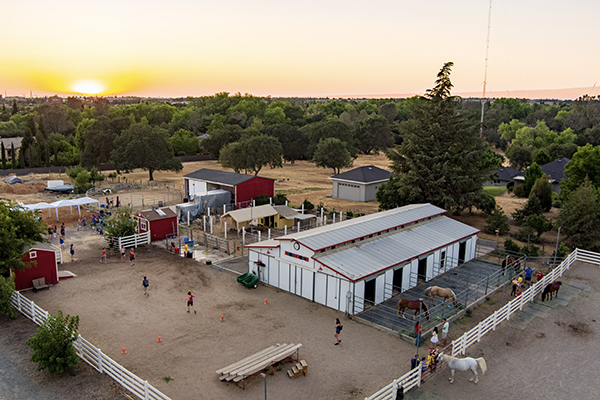
Grounds: Hearts Landing Ranch (*Main) Currently operational
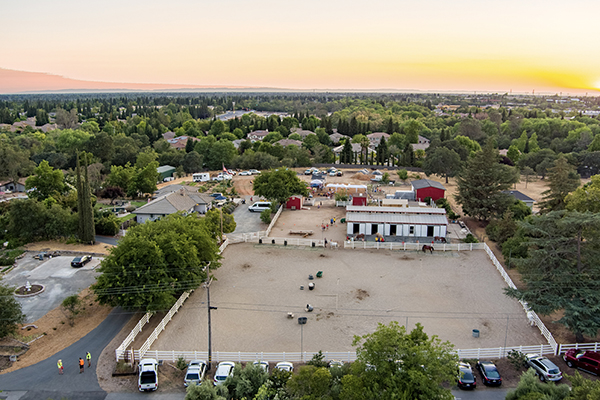
Total acreage dedicated specifically to the horses: 2
Our organization has use of the following at this facility:
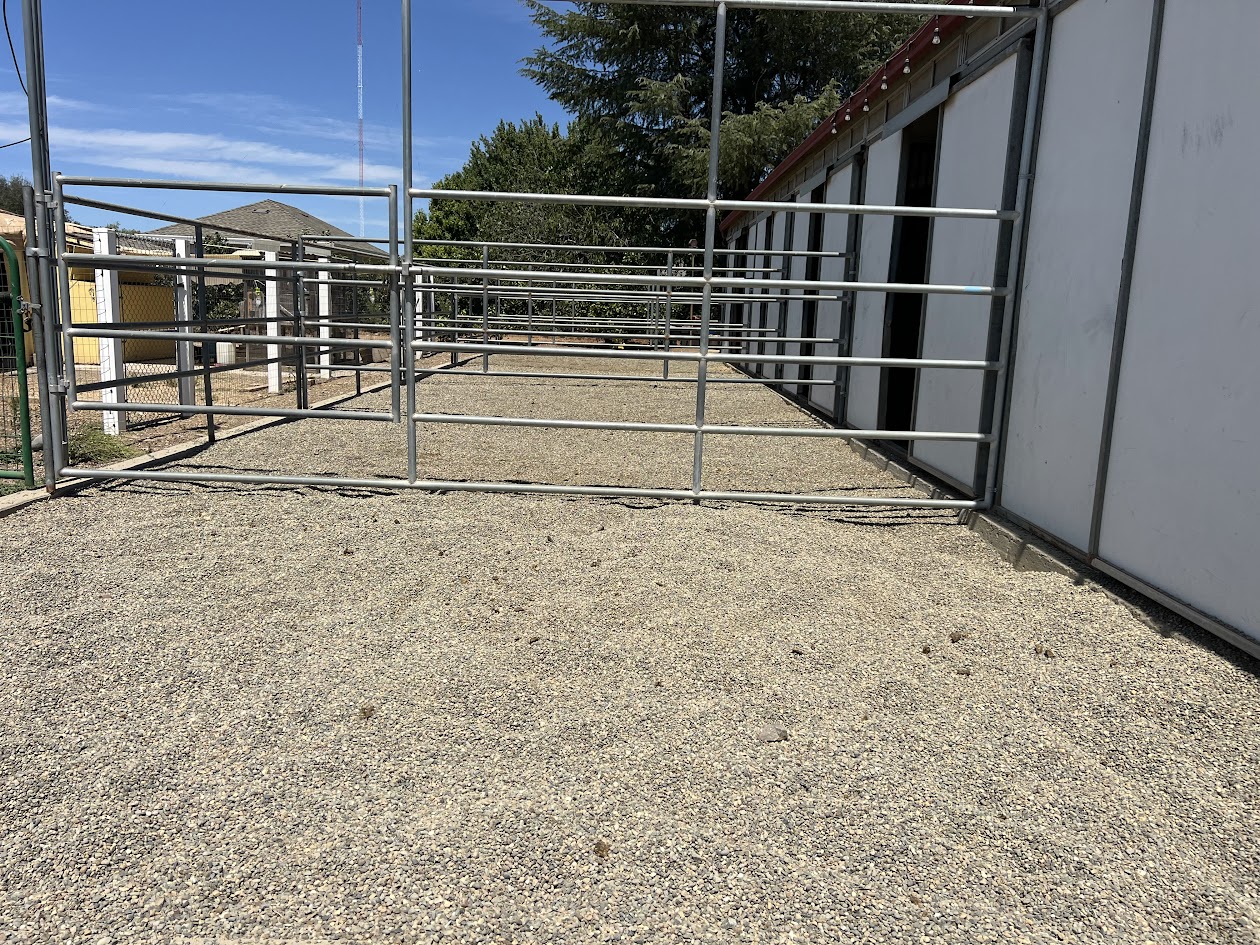
Structures/Barns: 1 Run-in sheds: 0
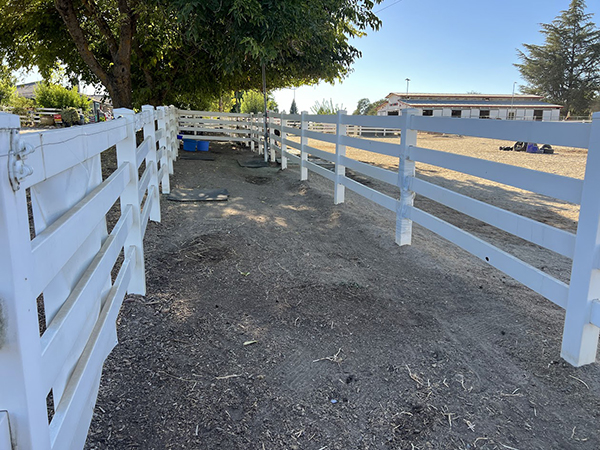
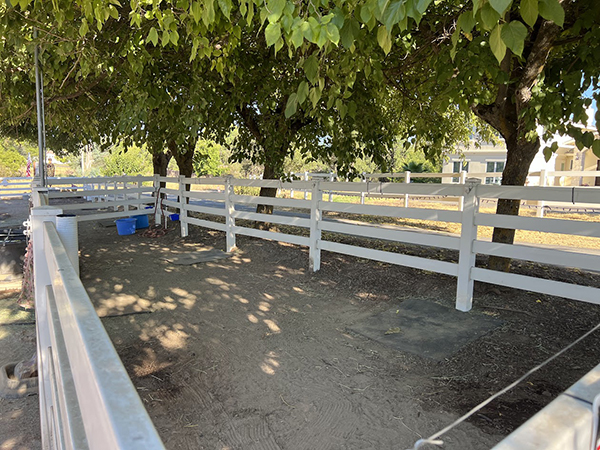
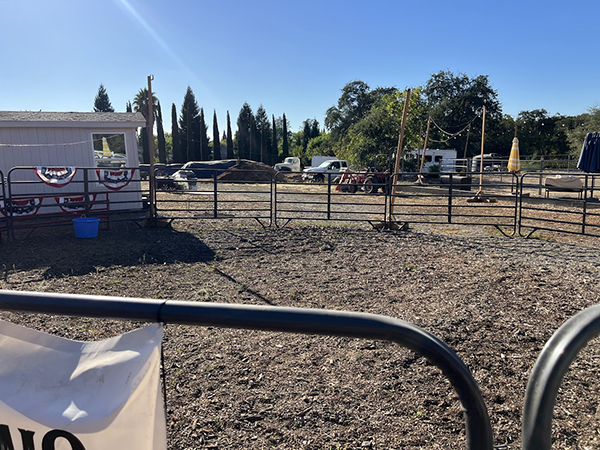
Pastures: 0 Paddocks/Pens/Turnout Areas: 5
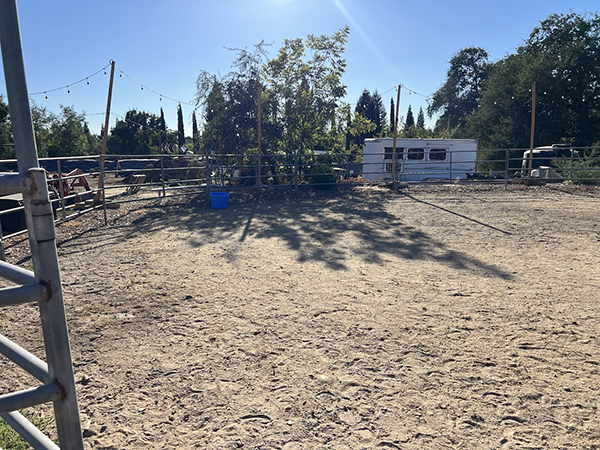
Uncovered Outdoor Rings: 1 Covered Outdoor Rings: 0 Indoor Rings: 0
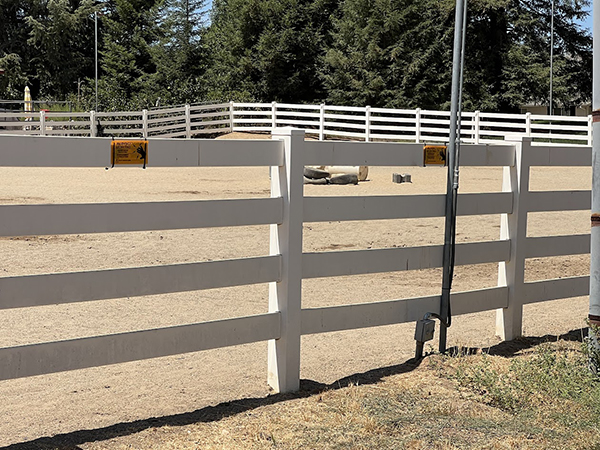
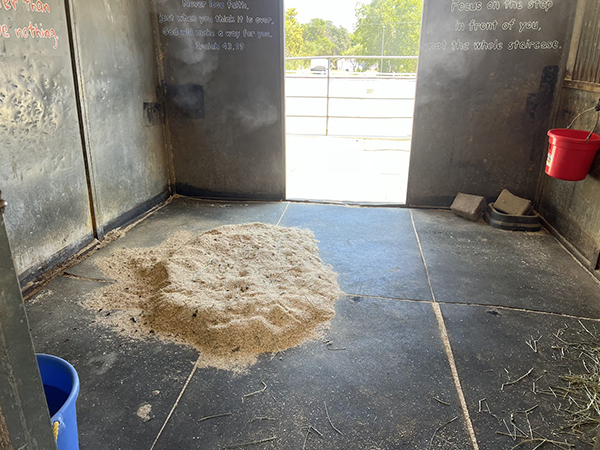
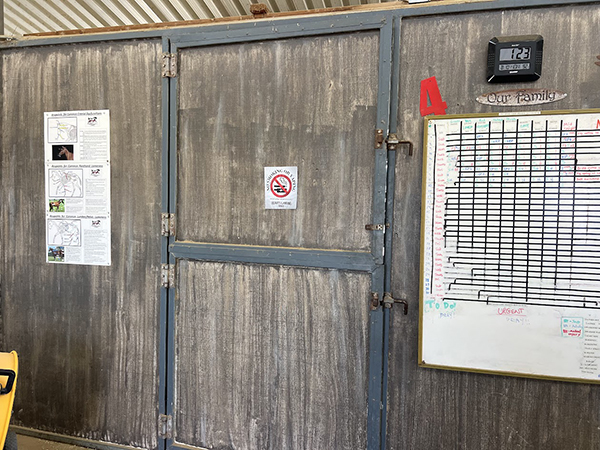
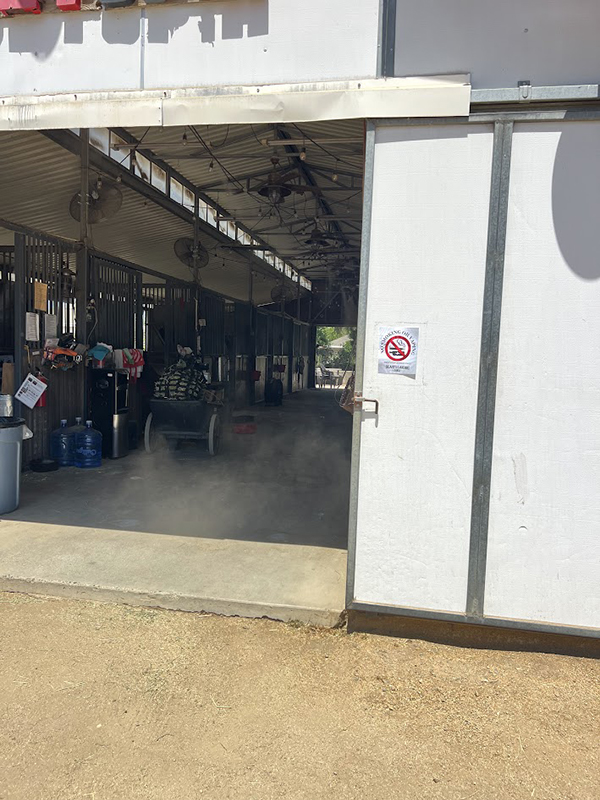
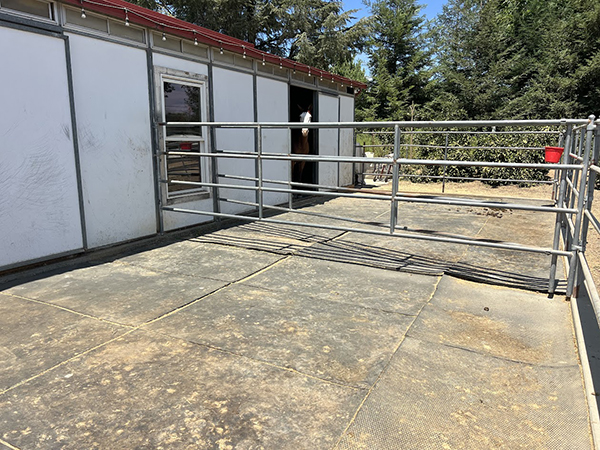

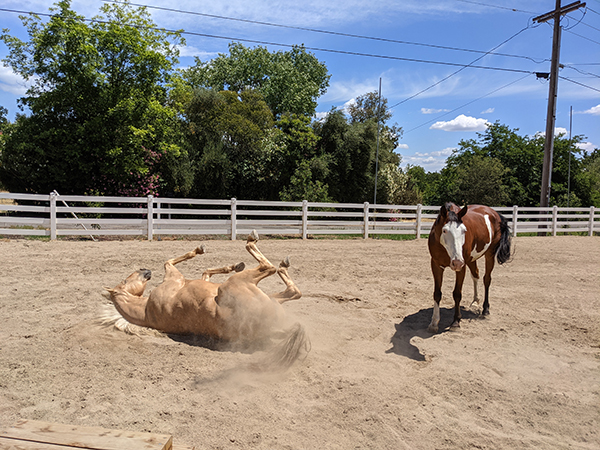
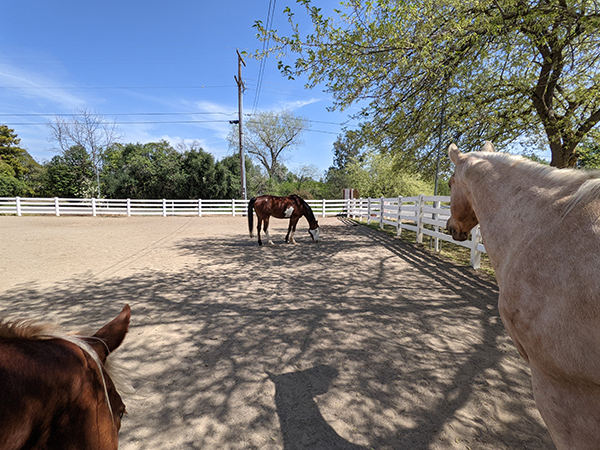
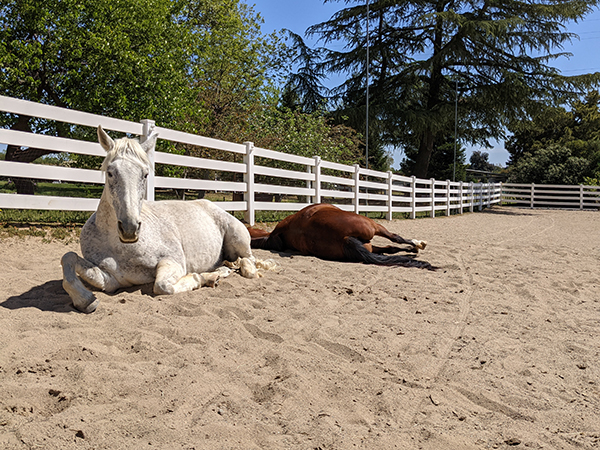
Are the organization's rules, restrictions and warnings (signage) conspicuously posted in easily accessible locations? Yes
Are the organization's emergency contacts, including veterinarian contact information, conspicuously posted in easily accessible locations? Yes
Are human and equine first aid kits easily accessible? Yes
Regarding all shelters where horses are housed including run-in sheds:
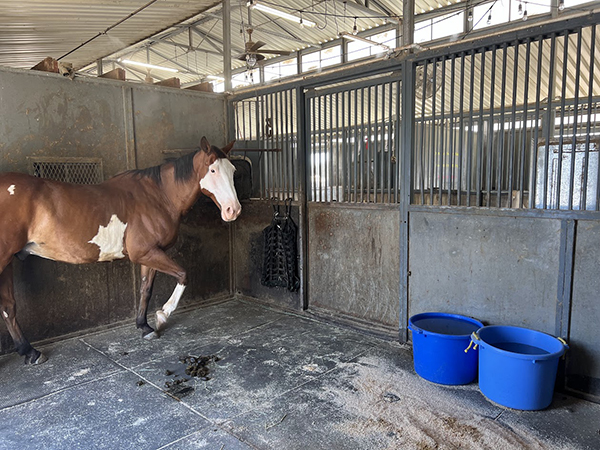
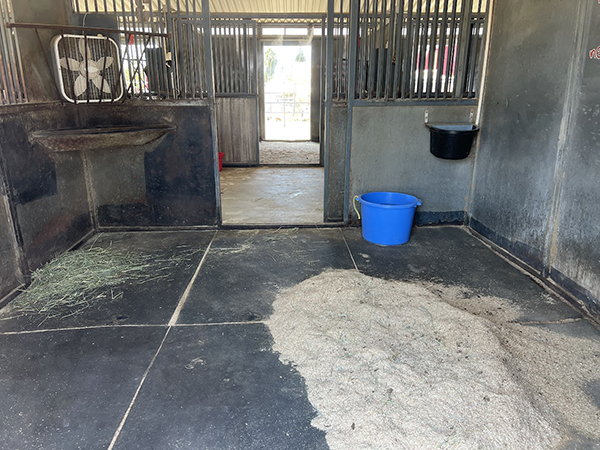
Do horses have assigned stalls in the barn/structure(s) or individually assigned shelter locations where they are separated from other horses with a barrier? Yes
How many hours per day, on average, are horses stalled or restricted to these individually assigned shelter locations? 9-12
How often are the stalls/shelters cleaned? 6-7 Days a Week
Do all stalls/shelters allow horses to lie down, stand up and turn around and provide protection from inclement weather (wind, sleet, rain, snow and extreme temperatures)? Yes
Are stalls/shelters kept in good repair, with adequate ceiling height, and free of standing water, accumulated waste, sharp objects and debris? Yes
Are floors constructed and maintained for both good drainage and traction? Yes
Is there a ventilation and circulation system, or natural ventilation, in place to allow free flow of air to control temperature, and humidity, and to prevent air stagnation? Yes
Is wiring inaccessible to horses and maintained for safety in all areas of facility? Yes
Are fire prevention/protection measures (fire alarms, extinguishers and sprinkler systems) maintained and in good working order? Yes
Is there adequate lighting to ensure safety in all areas of facility? Yes
The following describes the pastures at this facility:
This facility does not have pastures where equines can graze on pasture grass
This facility has a written plan in place for pasture management, such as guidelines for seeding, fertilizing, irrigation, mowing, dragging, harrowing, manure removal, removal of debris, the control of poisonous plants, and a schedule for cleaning
A dedicated staff person(s) is responsible for pasture management
All pastures are fenced to prevent escape or injury
Barbed wire is used for fencing
Electric fencing is used; electric wires or tape fence are visibly marked
Fencing checks, such as broken or missing planks, loose fence posts, exposed or loose nails, detached wires, etc., are done regularly
Pastures are rotated
Pastures have natural protection for equines (i.e., trees)
Pastures have man-made protection for equines (i.e., shelters)
The following describes the turnout areas other than pastures at this facility:
A dedicated staff person(s) is responsible for the maintenance of turnout areas
All turnout areas are fenced to prevent escape or injury
Electric fencing is used; electric wires or tape fence are visibly marked
Fencing checks, such as broken or missing planks, loose fence posts, exposed or loose nails, detached wires, etc., are done regularly
This facility does not have turnout areas
This facility has a written plan in place for the maintenance of turnout areas, which includes a schedule for cleaning, manure removal, and dragging
Barbed wire is used for fencing
Turnout areas have man-made protection for equines (i.e., shelters)
The following policies and procedures are in place at the facility to restrict public access and to keep horses safe:
The property owner, staff member or caretaker lives on the premises and ensures that public access is restricted and is responsible for the security of the facility and equines
There is a mechanism in place to monitor equines overnight
By Appointment Only signs are posted.
Hold Harmless signs are posted
Entrance gates are locked at night
Visitors are only permitted at specific times
The property is fitted with motion lights
The property is fitted with a security system that is monitored internally by staff (or the property owner)
The perimeter of the property is fully fenced
A security guard is present at night
No Trespassing signs are posted
Authorized Personnel Only signs are posted
Visitors are only permitted in specific areas
The property is fitted with a security system monitored by police or a professional service
Equine Care/Emergency Preparedness: Hearts Landing Ranch (*Main) 2026 and 2025 This section is required.
Horse Health Care/Barn Management Records: What system is used to collect and store health/horse care records?
Notebook or equivalent (technology not utilized)
Onsite computer with cloud-based backup storage system
The following items are consistent with our feed management plan and practices:
The organization takes into consideration the equine's age, breed/type, condition, size, work level and any health issues in designing each equine’s individualized feeding plan including adequate natural forage and consults with the veterinarian as needed.
The organization determines supplement plans in consultation with a veterinarian
Staff and/or volunteers are trained in proper feed measurements and protocols and observed periodically to ensure they are feeding correctly
The feed chart is centrally located and updated as needed
The area(s) where hay, feed, grain, and supplements are stored are kept clean, free of debris and chemicals, and protected from weather and other animals in rodent-proof and mold-proof containers and grain bins
Feed, supplements and hay types are clearly labeled
Water sources, i.e., buckets, troughs, automatic waterers, etc. are kept clean, free of contaminants, debris and chemicals, protected from weather and other animals, and be positioned or affixed to minimize spillage.
Medications are kept in a secure area
Is clean, potable water available at all times for all equines? Yes
Hoof Care: How often is hoof care provided for each equine? Every 4-8 weeks and when an issue arises
Dental Care: How often is dental care provided for each equine? Annually and when an issue arises
Horse checks: How often are equines visually and physically checked by personnel at the facility? Every day or 6 days a week
Our organization has the following parasite and fly/insect control protocols in place, including remedies used to control flies and insects:
Our organization follows the parasite control guidelines of our veterinarian, including fecal testing and de-worming
Fly/Insect Control Remedies:
Fly parasites
Fly Traps and Tapes
Fly Spray Repellent
Fly Masks
Fans
The following represent the biosecurity practices in place at facility:
Our organization follows the biosecurity guidelines of our veterinarian
Sick, affected and/or quarantined equines do not have contact with other equines or other animals
Staff and/or volunteers are trained in accordance with the General Biosecurity Guidelines of the American Association of Equine Practitioners (AAEP) and/or their veterinarian
Hand sanitizers are available at all primary points of access to sick, affected and/or quarantined equines
Footbaths are available at all primary points of access to sick, affected and/or quarantined equines
Quarantine areas, such as stalls, aisle ways, and paddocks, are cleaned (and needed, disinfected) after conclusion of the quarantine.
Equipment used by sick, affected and/or quarantined equines is not shared and is cleaned of organic debris and disinfected after each use
The organization has a written biosecurity plan
The organization has a biosecurity practice in place whereby sick, affected and/or quarantined equines are cared for after all healthy horses have been cared for to prevent crossover contamination.
Restricted access signs are posted at primary points of access to sick, affected and/or quarantined equines
Manure and bedding from sick, affected and/or quarantined equines is removed from the facility - not put in open air piles or spread on pastures
Trailers/vans used by sick, affected and/or quarantined equines are cleaned and disinfected after each use and cleaning takes place away from where equines are sheltered
Latex gloves, or equivalent gloves, are worn when working with sick, affected and/or quarantined equines
Equines are not quarantined on arrival.
The following represent the manure removal practices in place at facility:
Manure is piled in an area which is a safe distance from equines and from where equines are sheltered
Manure piles are covered
Manure piles are composted or spread on pastures
Our organization adheres to the manure management guidelines set by the state, local authorities, and/or our organization's veterinarian
Manure is stored in dumpster(s) which is a safe distance from equines and from where equines are sheltered
Manure is hauled, sold or given away
The following steps are taken to help staff and volunteers readily identify each horse on the property:
Equines are assigned the same exclusive stall/shelter location each day
Photos are located on the stall/shelter location
A notebook or binder with photos and information on each equine is easily accessible
Equine photos and profiles are available on the website
Staff and volunteers are provided with an information packet with equine profiles, including photos and detailed descriptions
Staff/volunteers are provided training on conformation, markings, colors, and breeds
Team leaders work with new staff/volunteers until they are able to identify the equines
Name plates are located on the stall/shelter location
Equines wear halters with nametags
A map/diagram is posted showing the location of each equine with equine names and photos
Our organization has the following policies and procedures in place pertaining to tack, apparel and equipment:
All equines have specifically assigned apparel, equipment and tack (saddles/bridles if ridden) that is not shared
Blankets, sheets and turn out apparel are fitted and utilized for each equine appropriate to the equine's needs and the weather conditions
Blankets, sheets and turn out apparel are cleaned regularly as needed
Halters are shared
Riding Tack is cleaned only when needed
Riding Tack is inspected for overall working condition before each use by trained personnel
Riding Tack is assessed for fit before each use by trained personnel
Riding Tack is assessed for fit by trained personnel when an equine's body condition changes
Riding Tack is assessed for fit by trained personnel when an equine's disposition changes
Assigned riding tack is clearly labeled
Helmets are shared
Helmets are replaced after a fall
Saddles are shared
Saddle pads are shared
Bridles are shared
Bits are shared
Blankets are shared
Sheets are shared
Turnout apparel is shared
Riding Tack is always cleaned after each use
Riding Tack is always cleaned at least weekly
This facility enlists the services of a professional saddle fitter at least once a year
Helmets are cleaned/disinfected after each use
Helmets are replaced at least every five years.
No equines are ridden; saddles, bridles, etc. not applicable.
Emergency Preparedness: Hearts Landing Ranch: *Main This section is required.
The following plans, policies, and procedures are in place at the facility to handle emergencies and address weather related issues, fire safety procedures, and/or any additional hazardous scenarios the facility could potentially experience:
The facility maintains at least two weeks of hay, feed, shavings and medications
The facility maintains workers' compensation insurance
The organization has a written emergency preparedness/safety plan (EPP)
The facility owns or has access to a generator
Local fire department and/or the state's emergency planning department procedures
Medical emergencies for clients, staff, and volunteers
Human and Equine Evacuation plans
Fire
Natural Disasters - thunderstorm, hurricanes, earthquakes, tornados, etc
Active Shooter and/or Terrorist attacks
Protocols to notify emergency personnel
Building/facility exit plans
Medical emergencies for equines
Power outages
The facility follows the specific procedures to help PREVENT emergency situations:
Smoking is strictly prohibited unless confined to designated areas.
Hay is stored away from permanent or temporary structures where equines are stalled
Permanent or temporary structures where equines are stalled are kept free of trash, cleaning rags, and other flammable items
Heaters with automatic shutoff settings are used
NO SMOKING signs are posted prominently
Aisles and doorways are kept clear
How often are the following checked or performed to ensure applicable working condition?
Fire Extinguishers are checked: Semi-annually
Smoke detectors are checked: Not at all/NA
Fence lines are checked: Daily
Turnout Areas are checked: Daily
Sprinkler systems are checked: Not at all/NA
Fire drills are conducted: Not at all/NA
Review of safety protocols with staff are conducted: Annually
Review of safety protocols with volunteers are conducted: Weekly
The Emergency Preparedness Plan is reviewed and updated: Annually
Functional Equine Transportation: 1= Onsite: 1 (0 + 1) + Offsite: 0
3-horse van/trailer with truck:
1 Access onsite but not owned